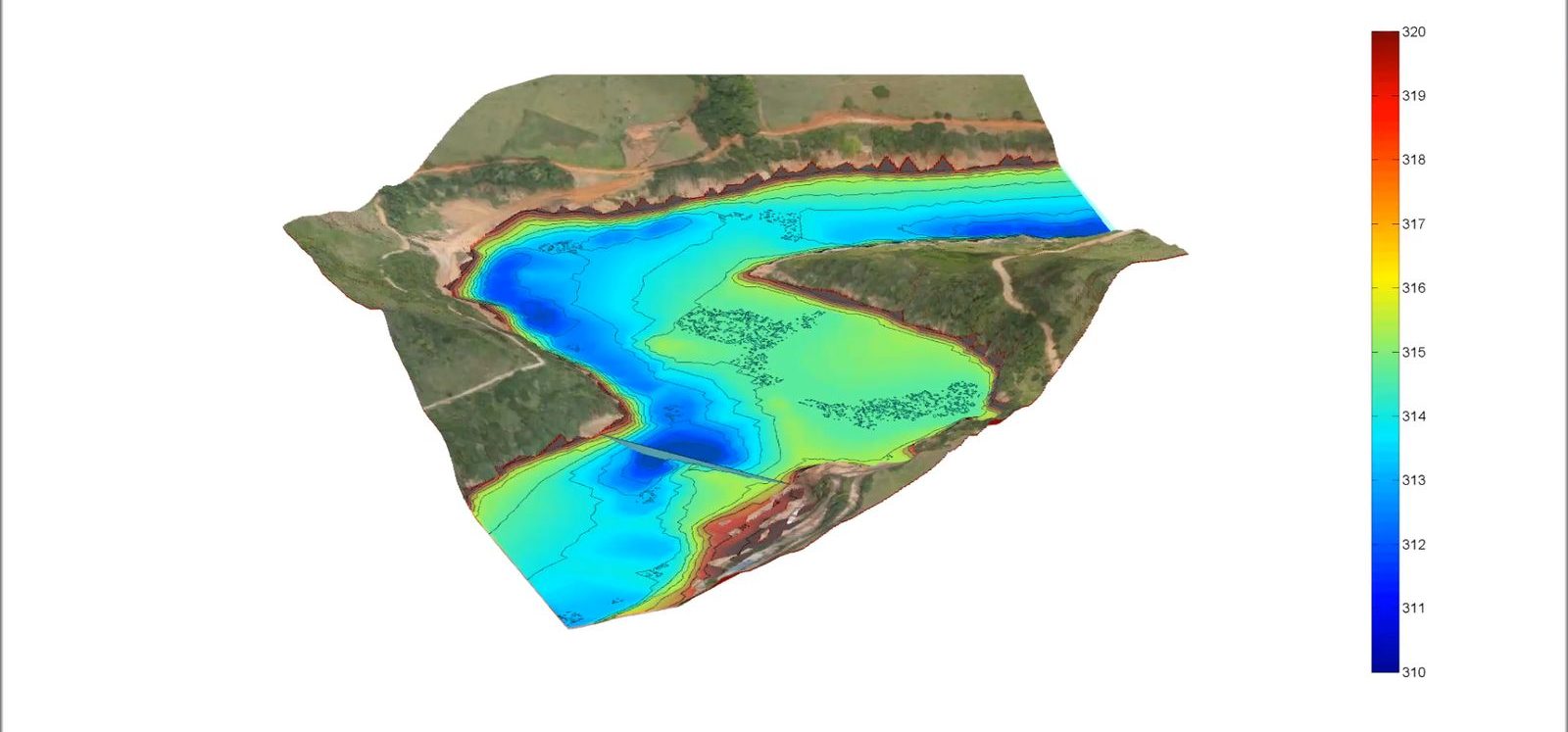


Numerical modeling is an important tool for understanding water dynamics and the processes associated with it. Whether reproducing past events or projecting the future, we assess and optimize designs so that they are safe, cost-efficient and environmentally sustainable.

01

Waves, currents and tides

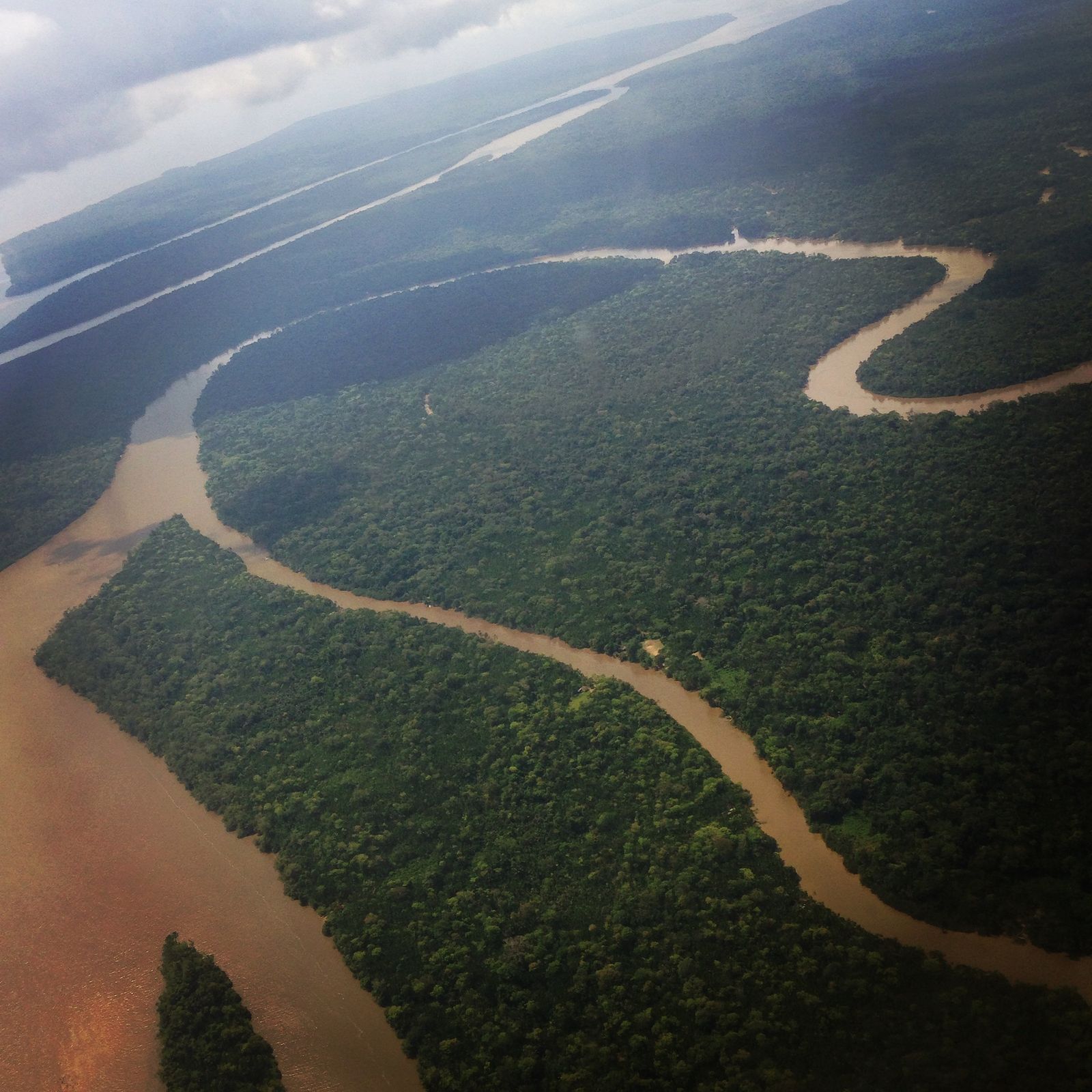
  • Hydrodynamic simulations at ocean, coastal, estuarine, river or lagoon scale
  • 1D, 2D and 3D modeling
  • Wave generation and propagation simulation
  • Salinity and temperature modeling
  • Harbour agitation and overtopping simulation
02

Sediment transport and morphodynamics

  • Cohesive and non-cohesive sediment transport modeling
  • Coastal erosion studies
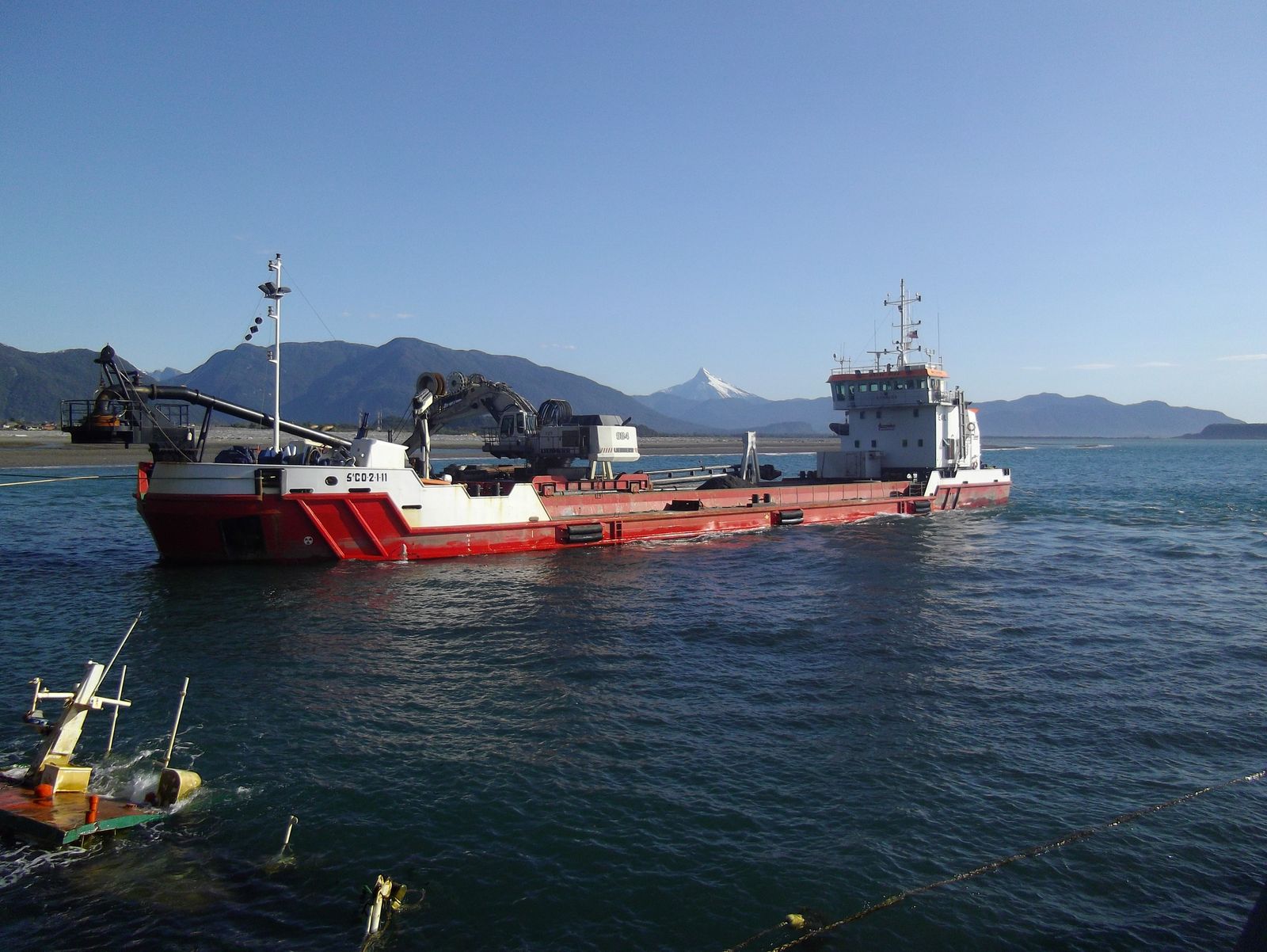
  • Analysis of sedimentation in navigation channels
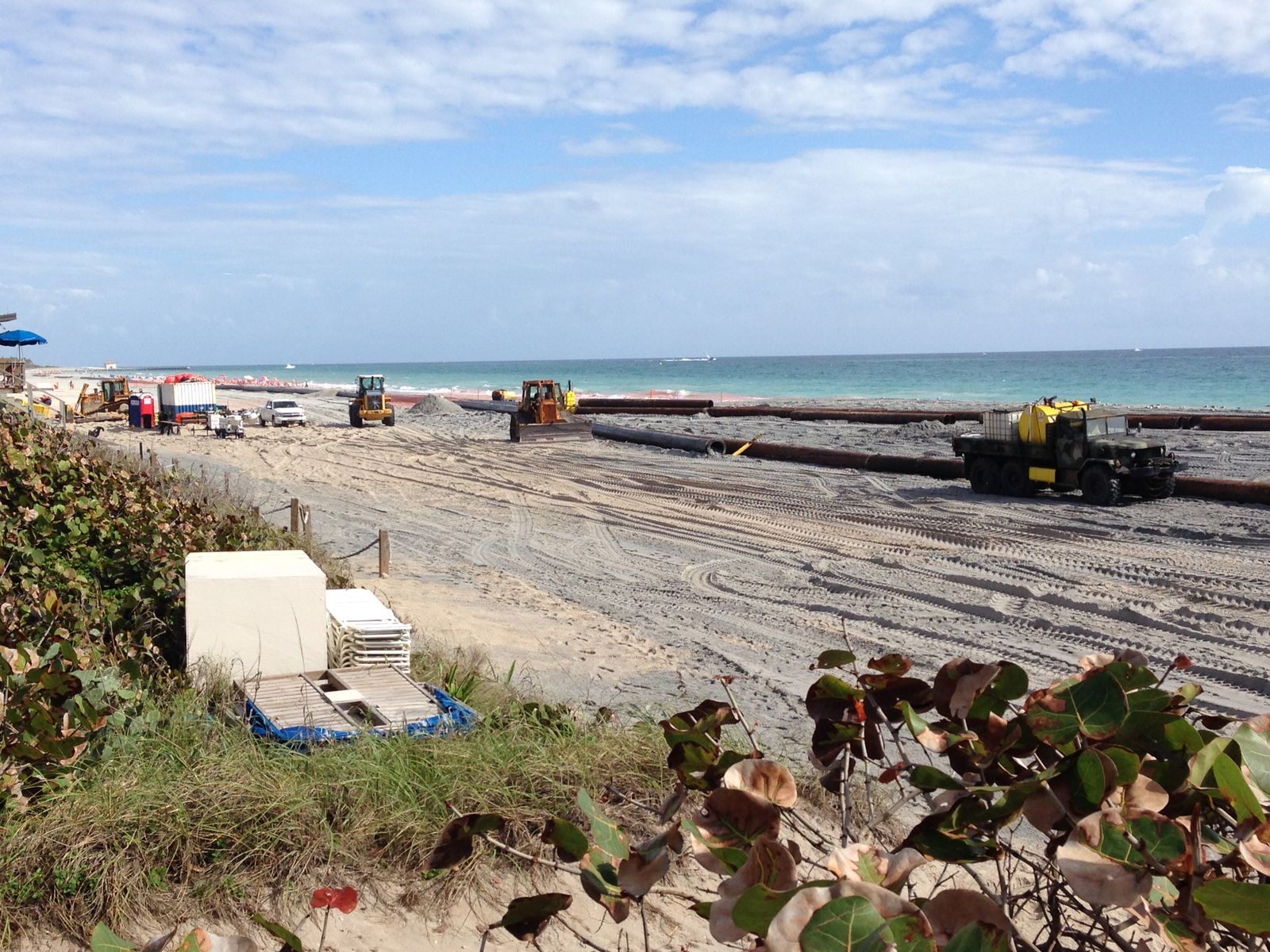
  • Dredging optimization studies and management plans
  • Assessment of pipeline burial depths
03

Dredging plumes and pollutant dispersion

  • Dredging plume dispersion modeling
  • Simulation of seabed features at sediment disposal areas
  • Oil and fuel spill dispersion modeling
  • Simulation of thermal plumes and submarine outfalls
  • Water quality modeling
04

Operational metocean forecasting systems

  • CoastalWatch
  • Wave, current and tide forecasts in coastal zones
  • Operational window forecasts
  • Decision support systems
  • Alerts for extreme or high-risk events
05

Operational simulations

  • Computational modeling of operating cycles and processes
  • Assessment of operating requirements and rules
  • Operational window and downtime studies
  • Identification of bottlenecks
  • Studies of operational optimization alternatives
Experience

Related projects

Studies for the rehabilitation of inlet jetties

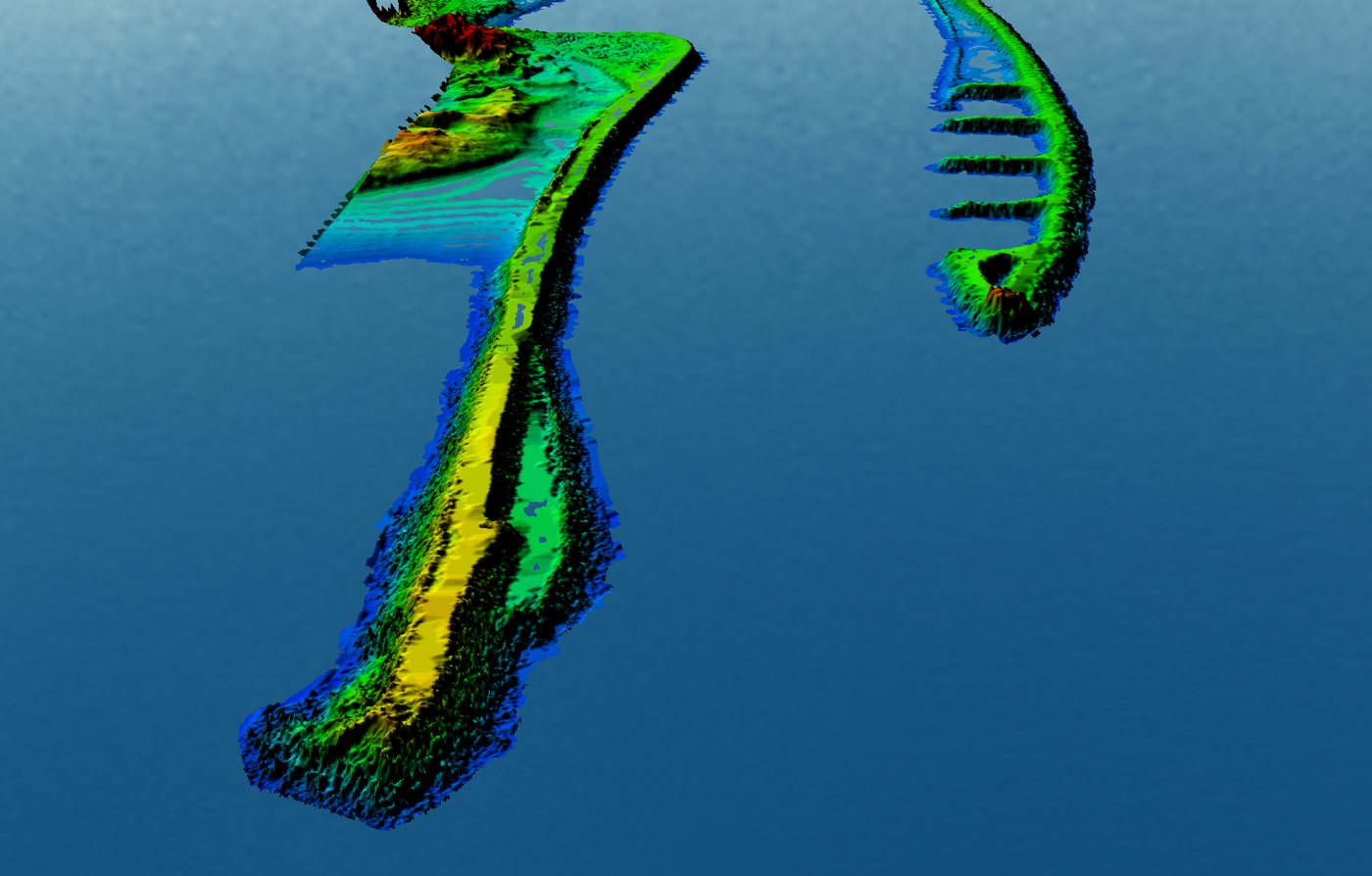
Multibeam and topographic surveys with a 3D model of the structures, wave and current measurements, shallow seismics and numerical modeling to support the design of the jetty rehabilitation and channel dredging and rock removal.
Dynamic under-keel clearance (UKC) analysis

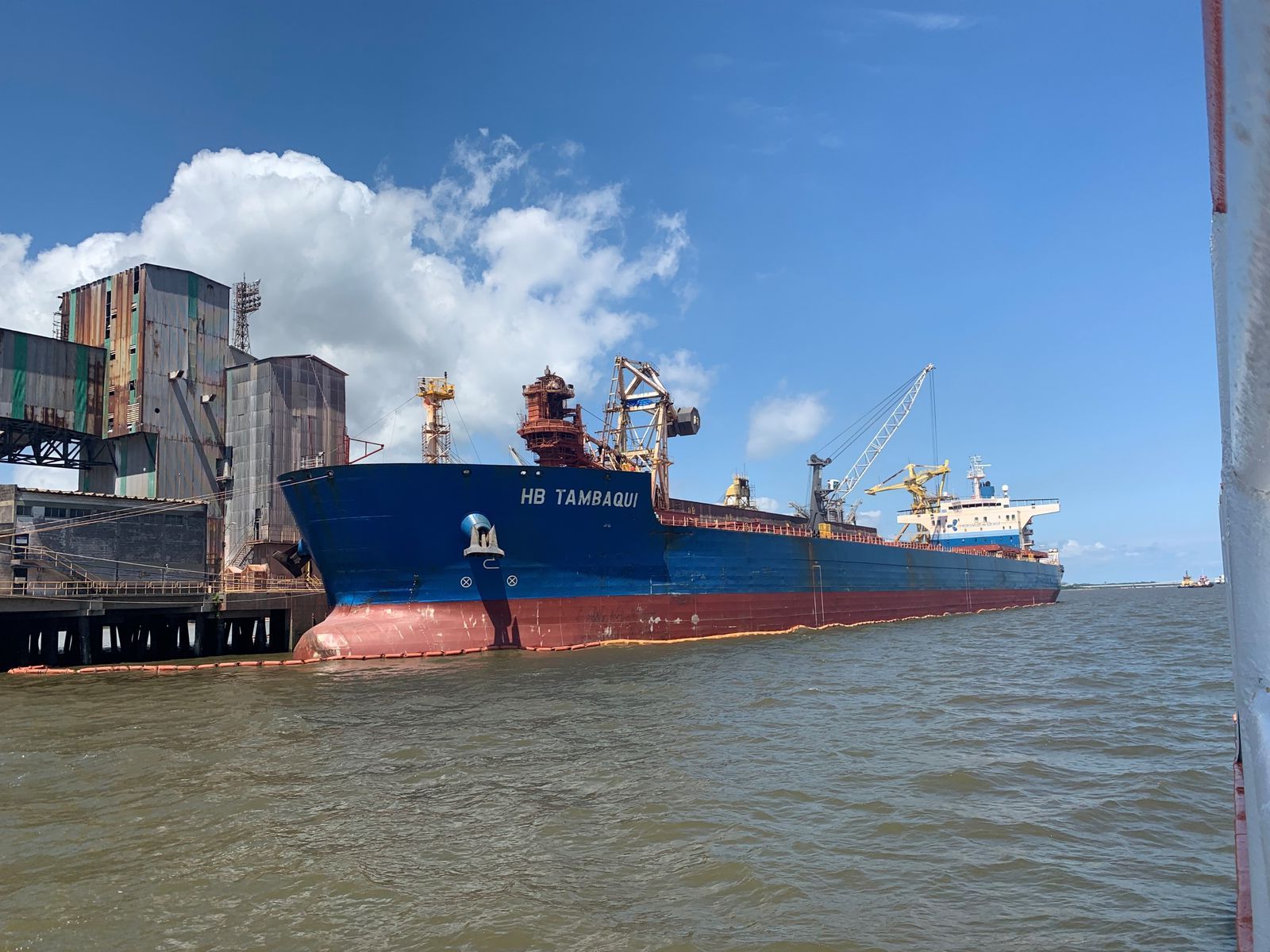
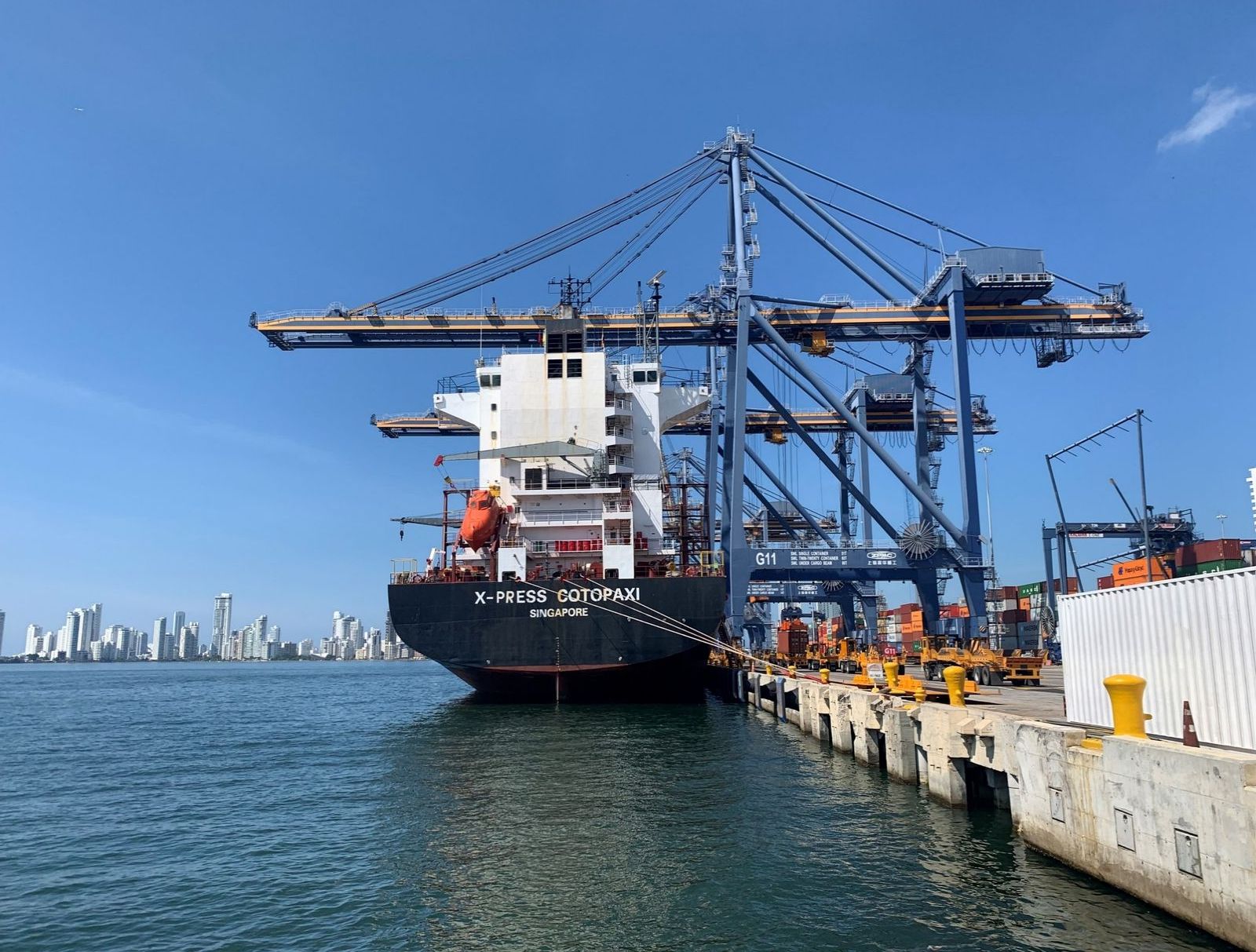
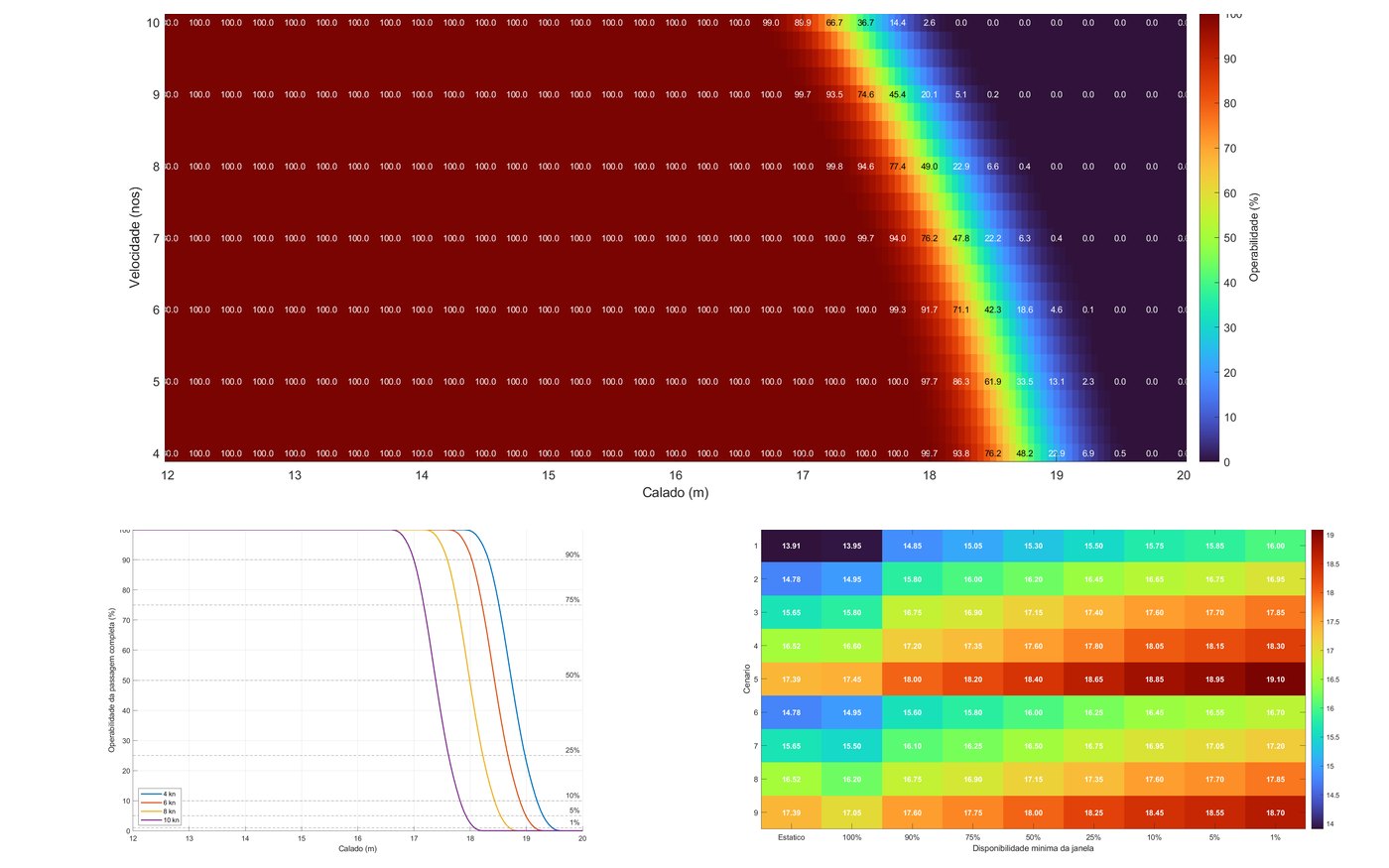
Calculation of the dynamic UKC of the access channel for each draught and speed, combining tide, waves, squat and ship response, in place of the static rule. The outcome is the feasible draughts and tidal windows for each condition, the gain in operability and the comparison between channel alignment alternatives, with the sedimentation predicted by morphodynamic modeling.

Wave and current measurements with ADCP

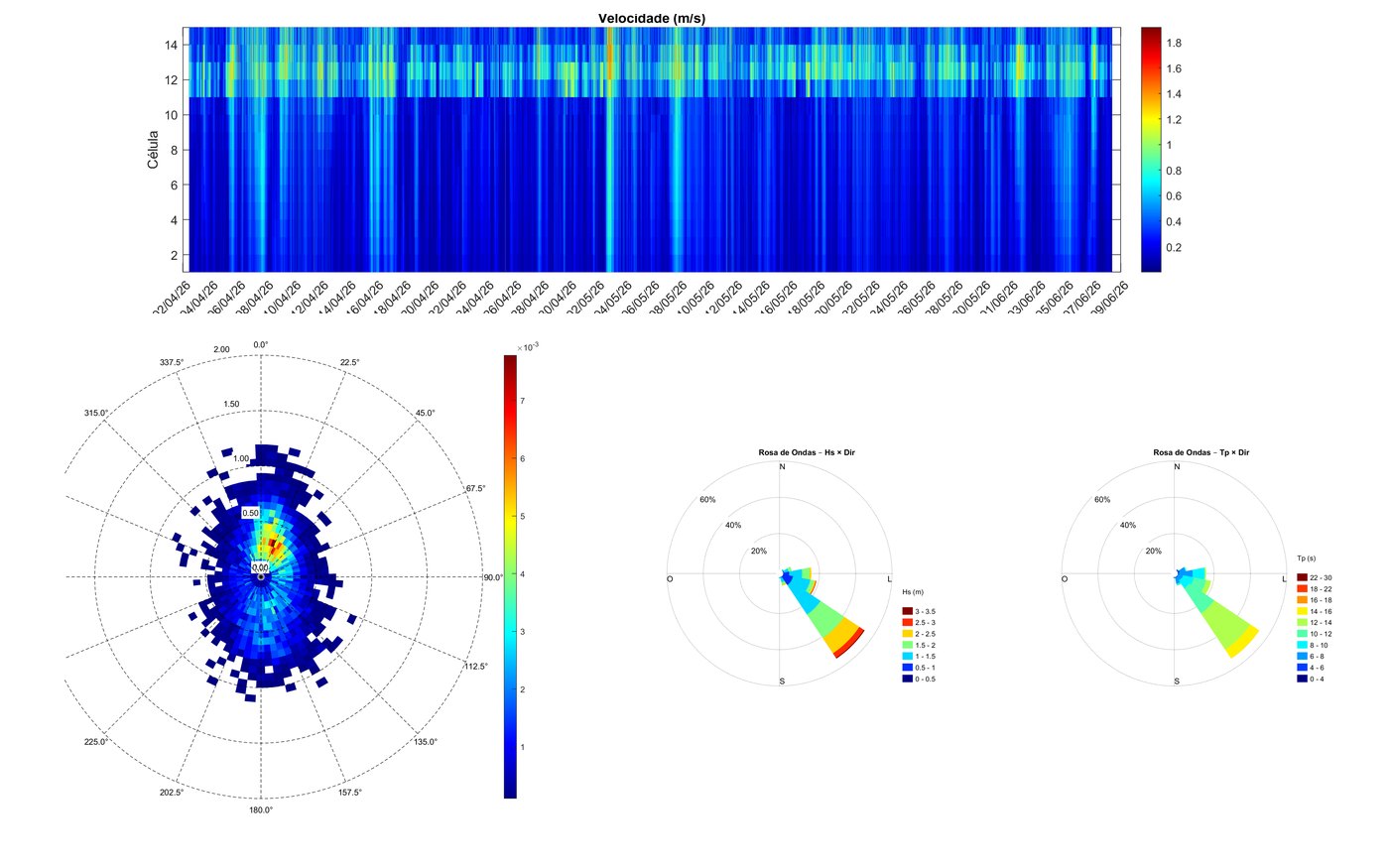
Deployment of acoustic profilers (ADCP) to measure currents through the water column, waves and water level. Processing with quality control, vertical profiles, roses and directional spectra, and use of the data to calibrate the numerical models.

See our experience

Shall we talk about your project?

Tell us about your challenge and we will find the most suitable solution.

Get in touch